Color
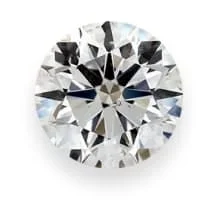
Colorless
Achieved through additional nitrogen reduction.
A clear guide to memorial diamonds: what they are, how color and size work, certification options, and the science behind HPHT growth — explained without sales pressure.
A memorial diamond is a real diamond crystal created from purified carbon extracted from ashes or hair. Through controlled High Pressure High Temperature (HPHT) growth, carbon atoms crystallize into the same structure found in natural diamonds.
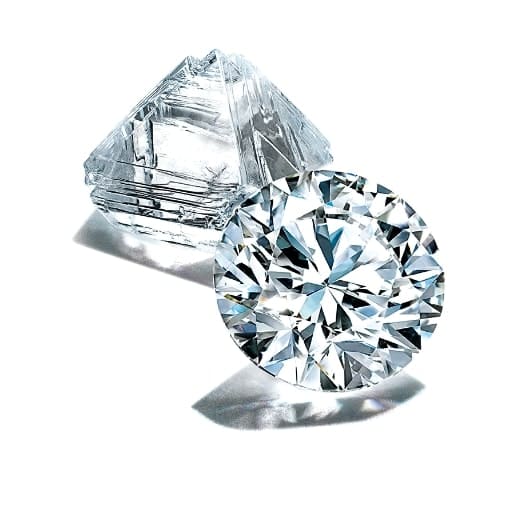
A memorial diamond is a diamond crystal grown from purified carbon — with a unique origin.
Cremation diamonds (also called memorial diamonds or diamonds made from ashes) are real diamonds created through a controlled high-pressure, high-temperature growth cycle. The key difference from natural diamonds is the origin of the carbon, which comes from the ashes or hair you provide.
The carbon is purified and then introduced into an HPHT environment where it crystallizes into a diamond structure over time. Once grown, the diamond can be cut, polished, and optionally graded by independent gemological institutes.
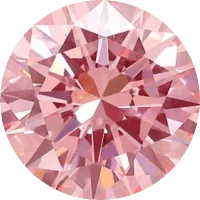
Memorial diamonds can appear in different colors depending on trace elements and growth conditions.
Achieved through additional nitrogen reduction.
Often a natural outcome influenced by nitrogen presence.
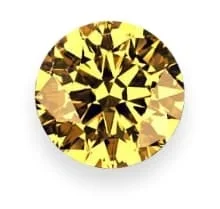
Created through controlled trace elements during growth.
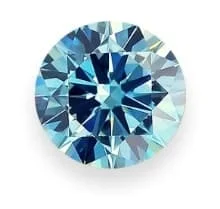
Rare tone achieved through post-growth color treatment after the diamond is grown.
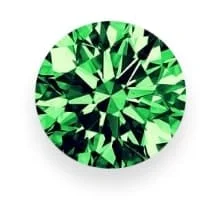
Deep opaque tone created through inclusions or post-growth color treatment.
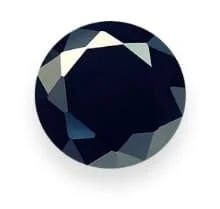
Very rare tones achieved through specialized post-growth color treatment.
Carat (ct) is a unit of weight used for diamonds. One carat equals 200 milligrams. Visual size depends on both weight and cut proportions.
Typical visual reference sizes include 0.25 ct, 0.50 ct, 1.00 ct, and 2.00 ct. Exact dimensions vary slightly depending on cut style and polishing strategy.
Visual scale is illustrative — final dimensions depend on cut type and polishing strategy.
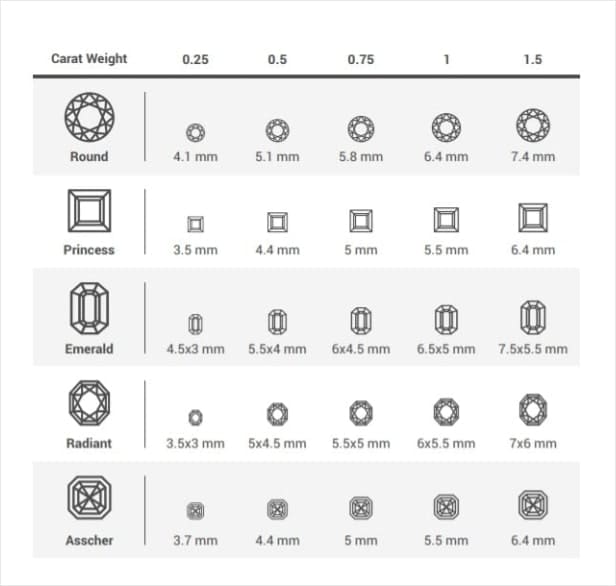
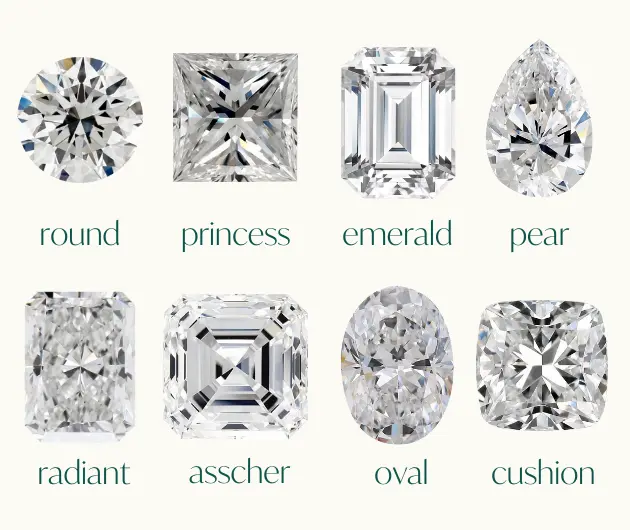
Cut influences light return, style, and visual size appearance. Below are common cut directions.
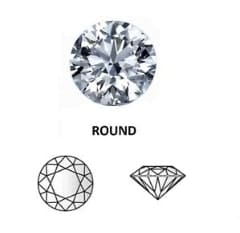
Balanced brilliance and classic silhouette.
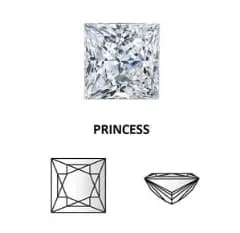
Modern square profile with strong sparkle.
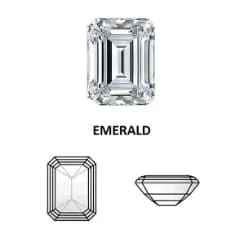
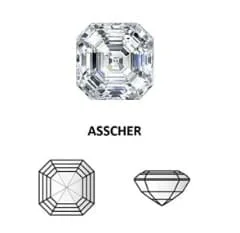
Step-cut lines with a refined look.
Elongated elegance.
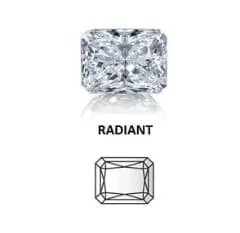
Brilliant cut with crisp edges.
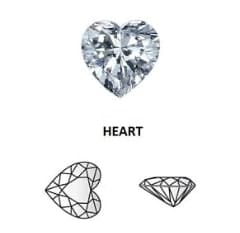
Symbolic and distinctive.
Elongated shape with dramatic brilliance.
Teardrop silhouette with elegant sparkle.
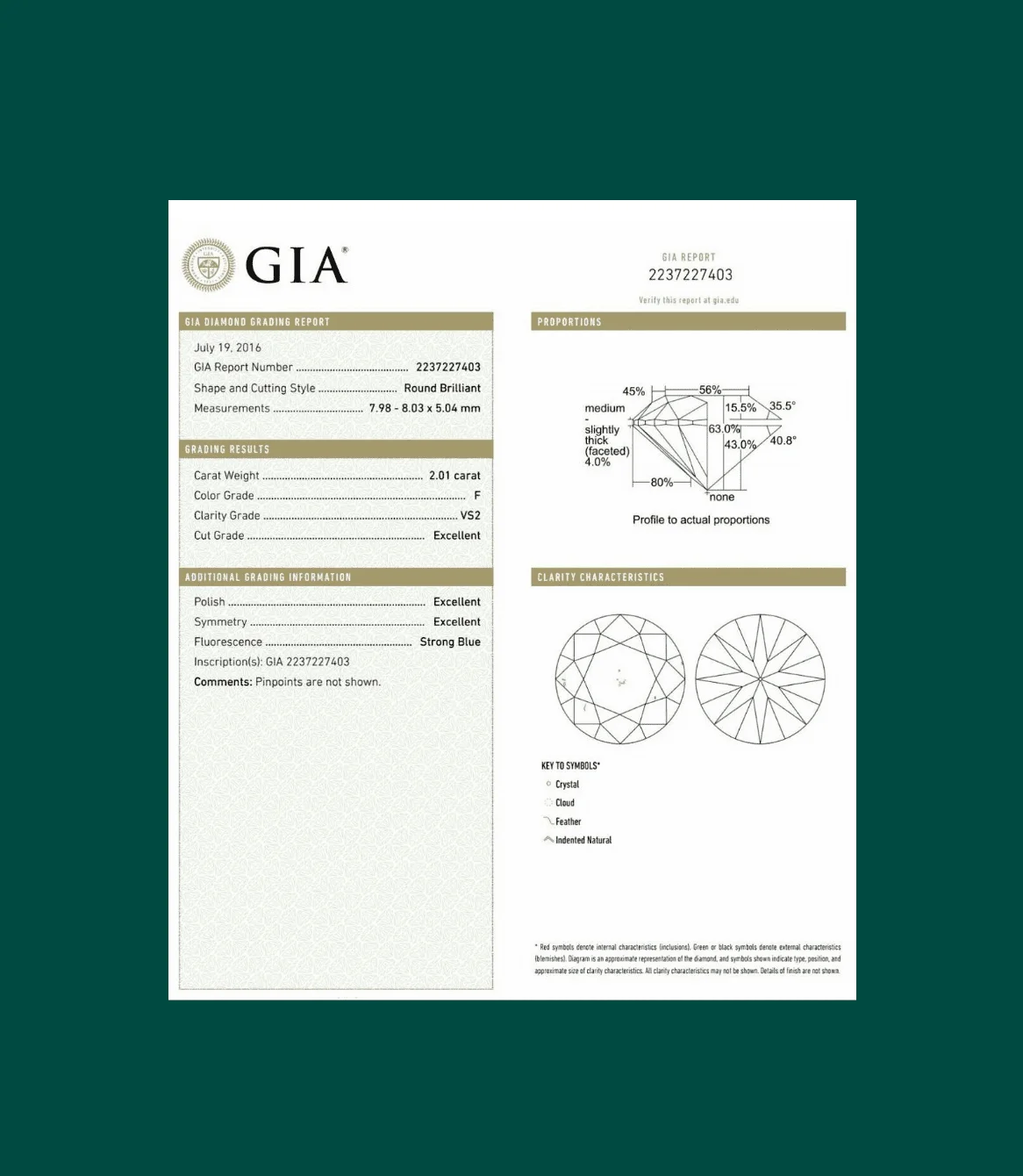
Memorial diamonds are authentic diamonds and may be verified through independent gemological institutes such as IGI or GIA.
Documentation may include origin records, growth process documentation, and optional independent grading reports depending on your selection.

Independent Grading
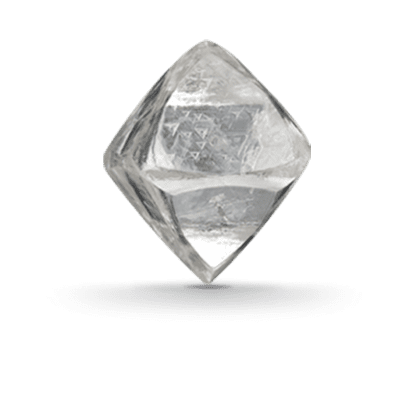
A rough diamond is delivered in its grown form. A polished diamond is cut and finished to reveal brilliance and optical performance.
Some families prefer rough diamonds for a more natural appearance, while others prefer polished diamonds for their classic brilliance.
Natural texture and deeper tone. Less sparkle, more “as grown”.
Precision cut for brilliance and refined presentation.
Sending ashes or hair is deeply personal. Transparency helps reduce uncertainty. Each order is handled individually and key stages of the process are documented.
Families can request updates or explanations at any stage. The goal is reassurance and clarity throughout the journey.
One order ID can be used to follow key stages across the journey.
You can request clarification, photos, or explanations at any time.

A simple tracking reference helps reduce uncertainty during the process.
Purification supports stable diamond growth. Responsible handling supports peace of mind.
The process is designed to avoid unnecessary contamination and harsh additives.
Diamond color develops through controlled growth conditions — not artificial surface coatings.
The goal is a clean, stable environment that supports consistent diamond formation and predictable results.
Before growth begins, carbon from ashes or hair is purified to remove unstable compounds.
Higher carbon purity supports a stable crystallization cycle, helping the diamond grow with fewer structural interruptions during HPHT formation.
Purification is essential for reliable diamond growth and consistent quality.
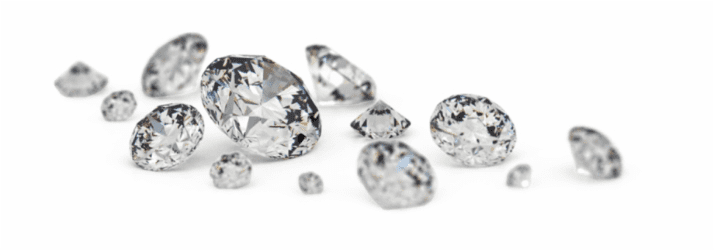
Memorial diamonds — also called diamonds made from ashes — are real diamonds, not imitation stones.
The difference is only in the origin of the carbon. Instead of forming deep within the Earth over millions of years, the carbon from ashes or hair is purified and crystallized under controlled HPHT conditions.
Once formed, the diamond has the same crystal structure, hardness, and optical properties as a natural diamond.
Because of this, memorial diamonds can be:
– cut and polished like any other diamond
– graded by independent gemological institutes
– tested using standard diamond verification tools
HPHT stands for High Pressure High Temperature. It recreates the natural conditions under which diamonds form deep within the Earth. Under controlled pressure and heat, purified carbon crystallizes into a diamond structure.
Short answers for clarity. You can explore more later, at your own pace.
Yes. Memorial diamonds are real diamonds with the same chemical structure as natural diamonds.
Carbon is purified from ashes or hair and crystallized using HPHT growth technology.
Both are possible. Many families use cremation ashes, while others choose hair.
Typical guidance is about half a cup of ashes (around 100g) or a lock of hair.
Typically, about half a cup of ashes or a small lock of hair or fur. Only a small amount is required – the rest stays with you.
Certification is optional. Some families choose independent grading through institutes such as IGI or GIA.
If you’d like a gentle way to begin, the Welcome Kit is a calm first step — without deciding on a diamond today.
You can continue whenever you feel ready.