Order Welcome Kit
Technology

Turning Ashes
into Diamonds

The science behind memorial diamonds — how purified carbon is prepared, stabilized, and crystallized under high pressure.

Foundation

Diamond Formation Theory

Natural diamonds form under extreme heat and pressure, deep within the Earth’s mantle. This environment is typically found many miles beneath the surface.

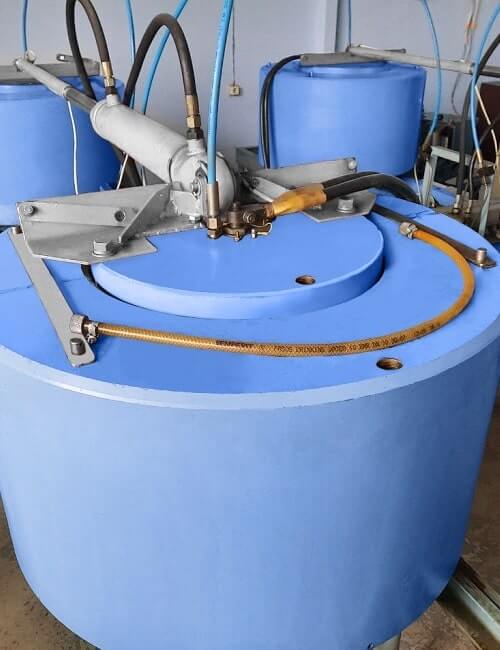
In our laboratory, we recreate this HPHT environment and guide the carbon through a controlled crystallization cycle, turning it into a real diamond crystal over time.

HPHT laboratory process
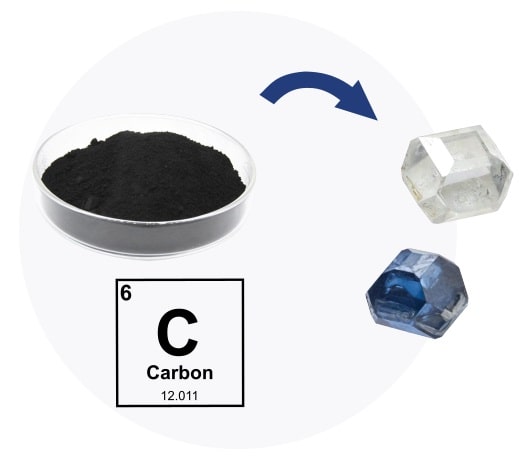
Carbon element
Composition

Chemical Element Carbon

Diamonds are carbon in a crystal form. Memorial diamonds can be created because carbon is present in cremation ashes and hair.

Trace elements (such as nitrogen) influence certain color outcomes. By adjusting preparation and purification, we can support yellow tones or remove nitrogen to pursue a colorless result.

Process

How We Create
How We Create
Memorial Diamonds

Below is a high-level overview, followed by a detailed breakdown of each stage for transparency.

Tip: Select any stage to jump to the detailed breakdown.

Detailed breakdown

Stage-by-Stage Process

These descriptions are written to be clear and factual — without pressure or sales language.

01

Material Inspection

Carbon evaluation • readiness check

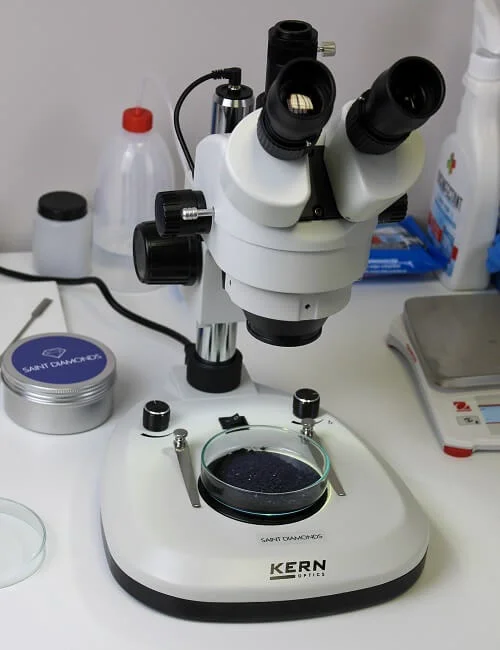
The process begins by evaluating the materials received (ashes or hair) to confirm suitability for purification and growth. Carbon content can vary, especially between different cremation conditions or sample types.

This stage is focused on establishing a reliable foundation for the steps that follow:

  • Confirming carbon presence and overall suitability
  • Preparing the sample for controlled purification
  • Documenting the order’s chain of handling

If families prefer to keep a secondary backup, additional hair can be stored separately for reassurance.

02

Mechanical & Chemical Purification

Impurity reduction • stabilization

Purification is designed to separate carbon from unstable compounds and residual impurities. This is performed under controlled conditions to prevent contamination and to protect the integrity of the sample.

In practice, this stage involves:

  • Mechanical preparation to achieve consistent particle form
  • Chemical steps that bind and isolate impurities
  • Controlled handling to keep non-carbon elements minimized

The goal is not speed — the goal is a stable purified base that can reliably enter high-temperature refinement.

Preparation and impurity reduction are handled under controlled conditions.

03

Carbon Purification

High-temperature refinement • purity targets

After initial purification, the carbon is refined further to reach a high purity threshold suitable for crystallization. This stage may include heat-based refinement to remove remaining oxygen-containing compounds and other residuals.

Typical outcomes of this stage:

  • Higher carbon purity and greater stability
  • Reduced risk of growth interruptions
  • Better control over the crystal’s formation environment

If purity targets are not met initially, additional refinement can be applied until standards are reached.

04

High-Pressure High-Temperature Crystallization

HPHT growth • diamond formation

The purified carbon enters an HPHT cycle — a controlled environment designed to replicate the conditions under which diamonds form naturally. Under high pressure and high temperature, carbon atoms align into a diamond crystal structure.

Growth time varies based on:

  • Target size (larger sizes require longer cycles)
  • Color goals (certain outcomes require additional calibration)
  • Growth stability (quality-first monitoring)

This is a technical stage, and we prioritize stability and quality over speed to protect the final result.

Growth is monitored carefully to protect quality and stability.

05

Cutting & Polishing

Finish • proportion • brilliance

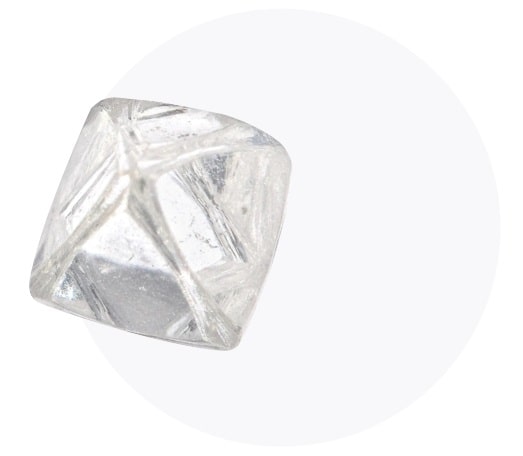
Once a rough diamond is grown, it is assessed for optimal cutting strategy. The final cut and polish are what reveal the diamond’s brilliance — and require careful expertise.

We focus on:

  • Shape selection based on rough geometry and stability
  • Precision polishing to maximize light performance
  • Protecting structural integrity throughout finishing

Some families also request a rough diamond. If so, we advise keeping it within experienced hands, as memorial diamonds can require specialized cutting familiarity.

06

Origin Verification & Documentation

Documentation • independent verification

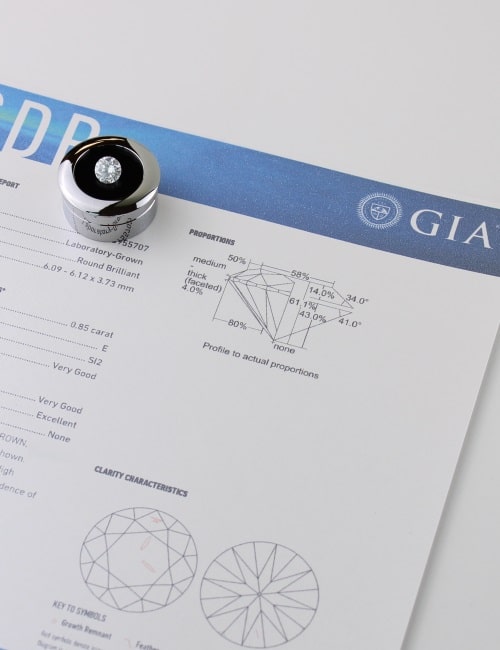
Each memorial diamond is delivered with documentation that supports transparency and authenticity. Depending on your selection, independent grading and certification may be available.

Verification and documentation can include:

  • Origin documentation and process records
  • Independent grading via institutes such as IGI or GIA (where applicable)
  • Optional inscription or personalization details

The goal is clarity: what was made, how it was made, and what you are receiving.

Documentation supports transparency and independent verification options.

faq

Common Questions

Short answers for clarity. If you want details, we can guide you through the options later.

Is a memorial diamond a real diamond?

Yes. A memorial diamond is a real diamond crystal. The difference is the origin of the carbon and the controlled growth environment.

What material can be used — ashes or hair?

Both are possible. Many families use cremation ashes, while others prefer hair. Requirements vary, but typical guidance is about 100g of ashes or 10g of hair.

Why does purification matter?

Purification stabilizes the carbon before growth. Higher purity supports a more stable crystallization cycle and better control over the final structure.

What affects color outcomes?

Color is influenced by trace elements and growth parameters. Yellow tones are often associated with nitrogen presence, while colorless outcomes may require additional nitrogen reduction before crystallization.

Is the process safe and traceable?

The process is designed around individual handling and documented milestones. Families are typically notified as key stages are completed.

Do I need to decide anything today?

No. This page is informational. If you ever want a gentle next step, the Welcome Kit is designed to help you begin safely without making a diamond decision immediately.

When You’re Ready

If you’d like a safe way to begin, the Welcome Kit is a calm first step — without committing to a diamond decision today.

You can continue whenever you feel ready.

Saint Diamonds Welcome Kit